Skip to main content Skip to footer


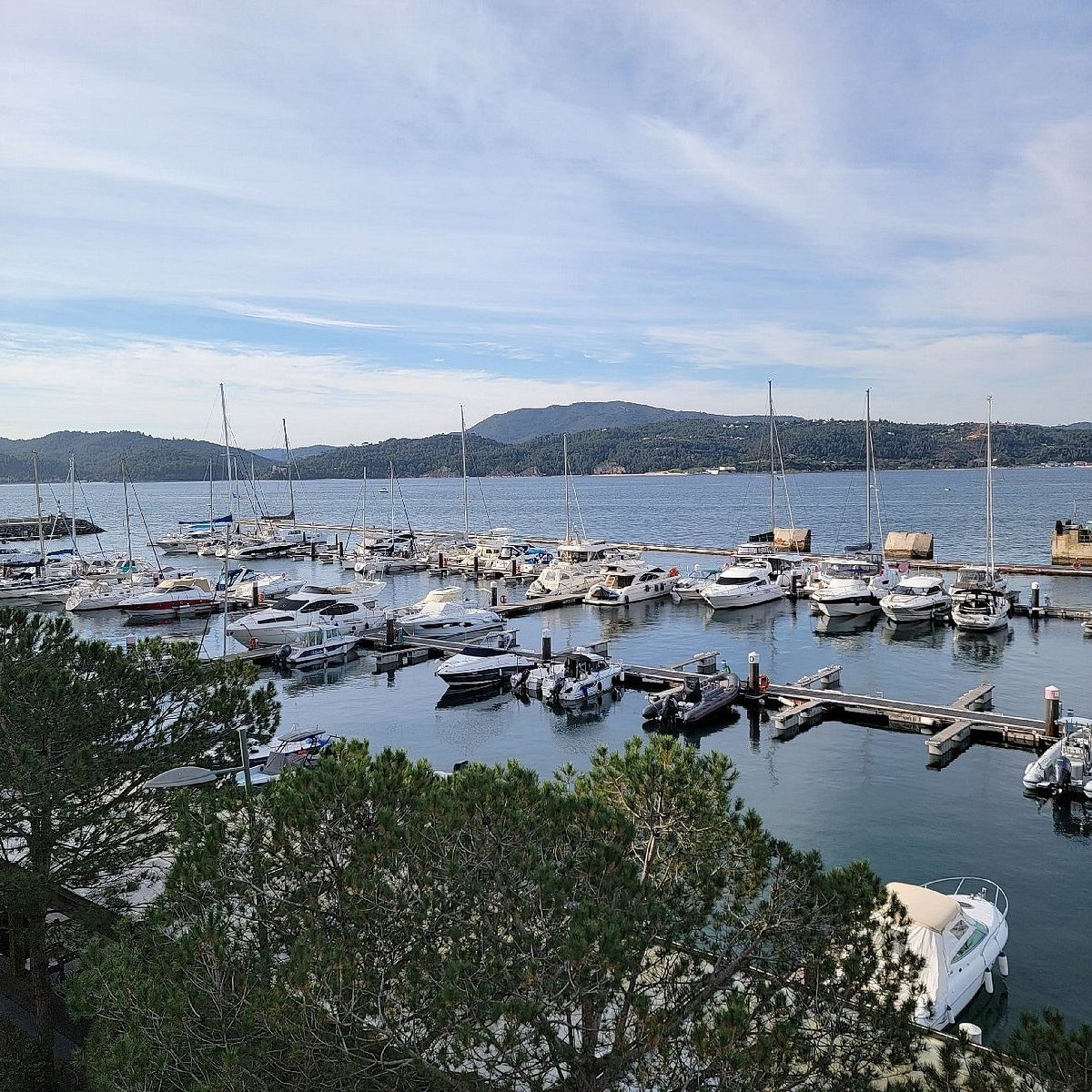
Tróia Marina is located on the Tróia Peninsula, at the southern end of the Sado Estuary, right across from Setúbal, in one of Portugal’s most unique coastal areas.
The marina is part of the Tróia Resort tourist complex and was developed as part of a broader redevelopment project for the peninsula, which over recent years has established itself as a destination for nautical recreation, golf, and residential tourism. The infrastructure includes moorings for 180 pleasure craft, with support services such as fuel, electricity, drinking water, a harbour master’s office, security, and technical support for boats. The marina area is surrounded by a commercial hub with restaurants, cafés, and shops.
One of the most distinctive aspects of Tróia Marina is the privileged access to both the Sado Estuary and the ocean. The estuary is one of the richest ecosystems on the Portuguese coast, known for its resident population of bottlenose dolphins (Tursiops truncatus), one of the few resident groups of this type of dolphin in Europe. This makes the area particularly popular for wildlife watching tours, which fits well with the types of experiences Lisbon Sight Sailing usually offers its clients. Besides the dolphins, the estuary is also an important stopover and nesting site for birds, with sandbanks, salt marshes, and channels that create a landscape very different from the rocky coast of the Algarve or the Lisbon area.
From Tróia Marina, it is possible to organise boat trips both into the estuary, exploring the channels, sandbanks, and dolphin- and bird-watching areas, and out to the Atlantic coast, where you will find long, virtually deserted beaches such as Praia de Tróia and Praia do Galé (Comporta). The coastline here has a distinct identity: instead of the Algarve’s cliffs and caves, dunes and pine forests dominate, along with a sense of open space that appeals to those looking for quieter, less crowded tourism.
Access to the Tróia Peninsula is mainly via two routes: by ferry from Setúbal (a short crossing of around ten to fifteen minutes, carrying passengers and vehicles), or by road, skirting the estuary via Comporta and Carvalhal, a longer journey but one that allows you to cross the landscape of the Sado Estuary Natural Reserve. For those arriving from Lisbon, the ferry crossing from Setúbal is usually the most practical option, as Setúbal is about forty-five minutes to an hour from the capital by road.
Its proximity to Lisbon and Setúbal makes Tróia Marina an interesting option for us as an alternative departure point for experiences that step outside the more conventional Tagus circuit. While trips from Lisbon and Cascais have the city, the bridges, and the Tagus estuary as their backdrop, a departure from Tróia offers a different experience: calm waters, preserved nature, sightings of wild dolphins, and long beaches, in a less urban setting.
It is also worth highlighting that the Sado Estuary Natural Reserve, which classifies much of this area, imposes specific rules for navigation and approaching wildlife, namely regarding the minimum distance to keep from dolphins and the speed of vessels in certain areas. These rules exist precisely to protect the resident dolphin population and ensure that tourism and recreational activity is compatible with the long-term preservation of the ecosystem. A relevant detail to include in any communication about tours in this area, as it reinforces the experience’s commitment to authenticity and respect for nature, without resorting to generic marketing language.
In short, Tróia Marina stands out for its rare combination of an estuary rich in wildlife and direct access to the Atlantic, served by a simple ferry crossing from Setúbal. It is a distinct departure point from Lisbon or the Algarve, and particularly well suited to experiences focused on dolphin watching and exploring preserved natural landscapes.