 Skip to main content Skip to footer


At Lisbon Sight Sailing, safety is not an add-on to your experience: it is the foundation of the entire operation. Every boat tour is prepared methodically, every detail is checked in advance, and every decision on board is made to ensure stability, predictability, and peace of mind for our clients.
Any type of navigation, at sea or on the Tagus River, takes place in a constantly moving environment. When led by an experienced team, even in calm conditions, it is a highly controlled operation with clear rules, appropriate equipment, and well-defined procedures. The goal is simple: to provide a premium experience where the client can relax, knowing that the technical and operational aspects are fully secured.
Safety begins long before departure. Before each tour, the crew assesses weather conditions, river state, visibility, tide, current intensity, and maritime traffic. This preparatory work allows us to anticipate movements, reduce uncertainties, and adjust navigation to the real context of each trip.
At sea and on the river, tranquility does not depend on luck. It depends on planning, reading the environment, and the ability to anticipate. It is this discipline that allows us to transform the onboard experience into a fluid, comfortable, and technically safe event.
Passenger and crew safety:
Safety equipment on board
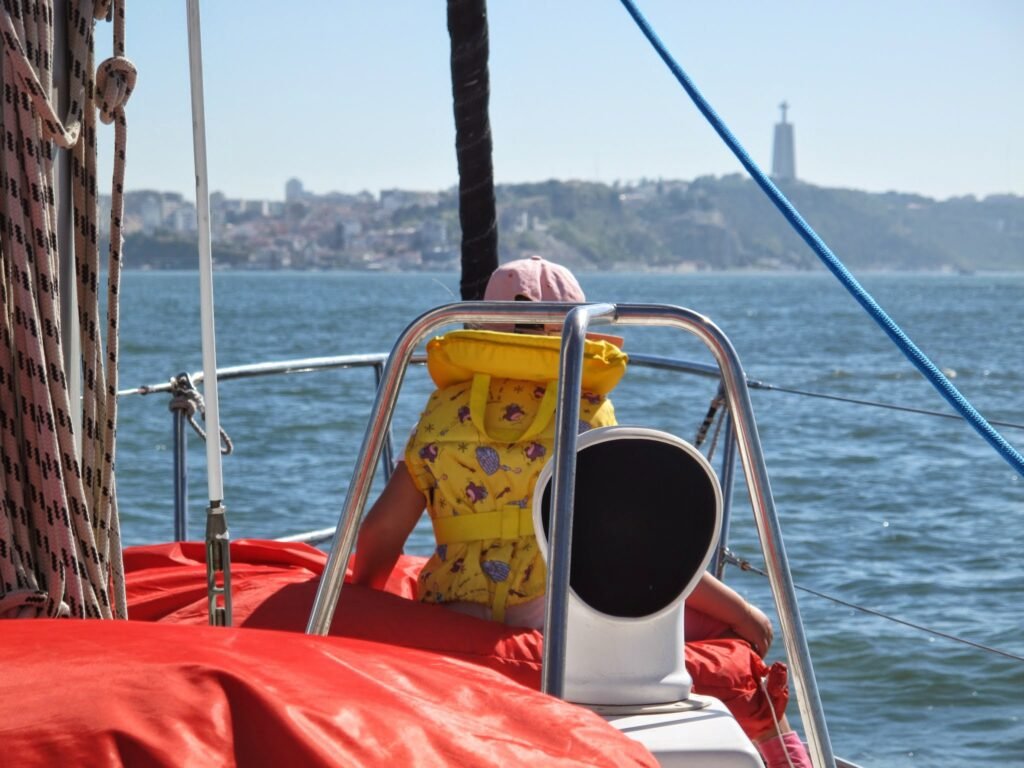
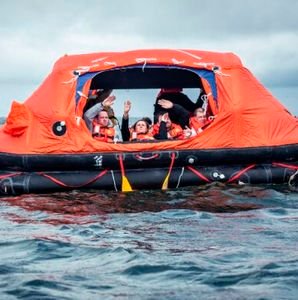
All our boats are equipped with appropriate life-saving equipment (inflatable life raft, life jackets for adults and children, lifebuoy, and various distress signals), radio equipment, a first aid kit, and other equipment regulated by current legislation. This equipment is marked and located in easily accessible areas.
Vessel safety:
The law requires manufacturers to equip all vessels with various safety features to prevent different types of hazards on board, such as bilge pumps (electric and manual), fire extinguishers located in visible and predetermined areas, updated nautical charts, anchors, and mooring and towing lines.
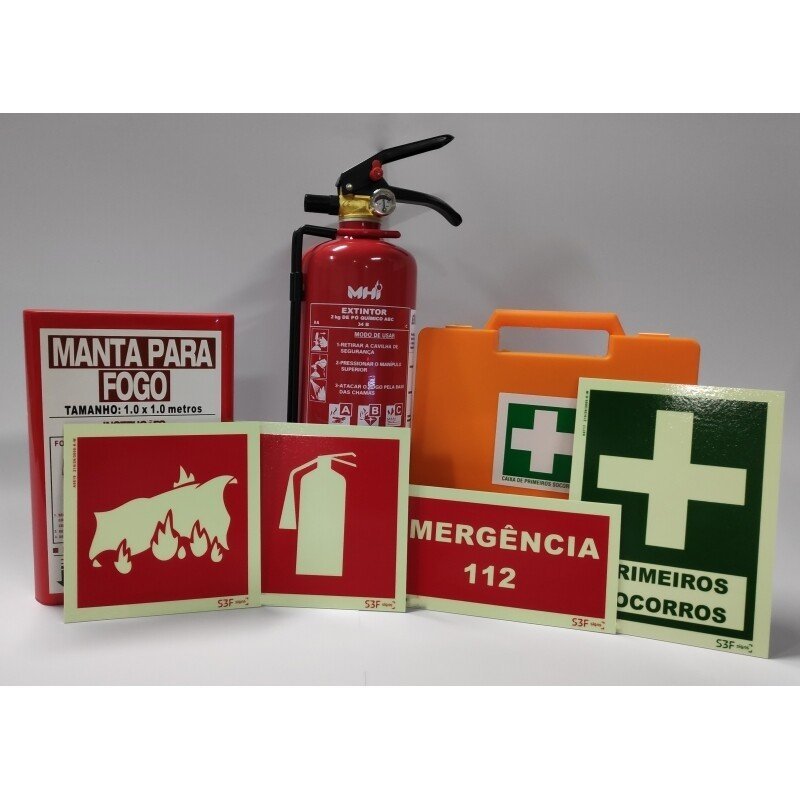
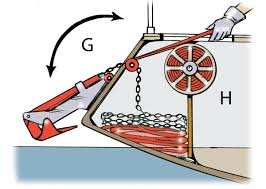
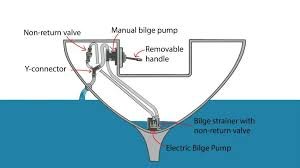
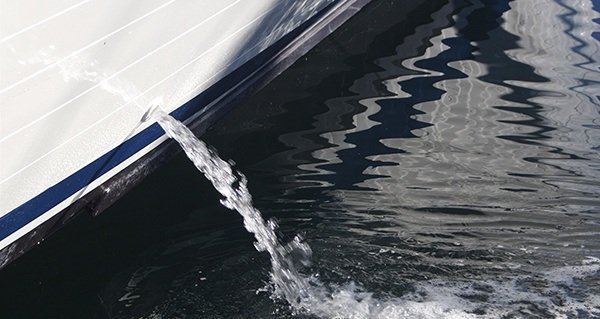
This set of equipment exists for reasons that go beyond fulfilling legal requirements: saving lives or saving the vessel in the event of a serious accident. An equipped boat and a trained crew reflect a serious operational logic: redundancy, rapid response, and the ability to act effectively in different scenarios.
Complying with the law is the starting point. Operating with excellence means going beyond the minimum required. In maritime tourism, that translates into preventive maintenance, constant checks of onboard equipment, integration between crew and equipment, and a safety culture built on prevention.
Our approach prioritizes precisely this model. Everything is prepared so that the client does not have to think about the technical dimension of the operation.
The passenger boards to enjoy the experience. The team boards to ensure everything runs with absolute control.
Right-of-way rules on the Tagus
The Tagus is a space shared by ferries, cruise ships, tugboats, commercial vessels, and recreational boats. Each of these categories operates with its own limitations, and safe navigation depends on the correct reading of these dynamics.
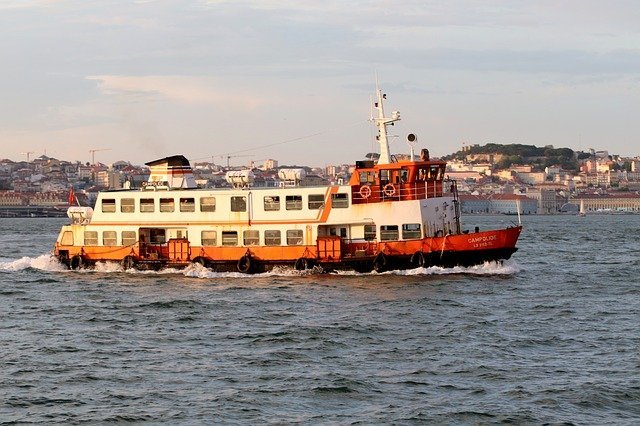
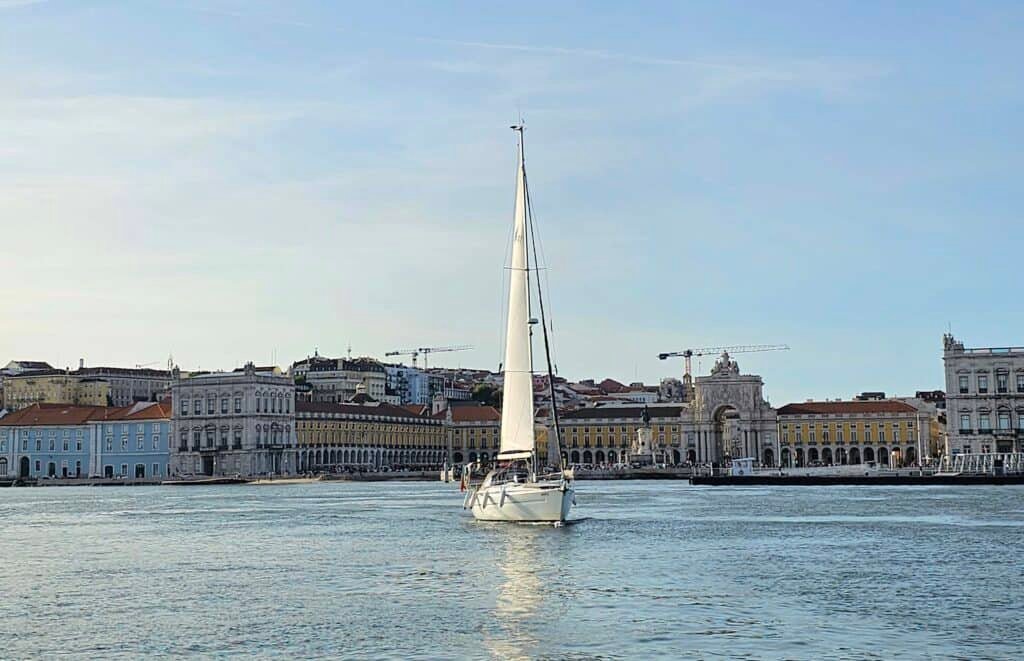
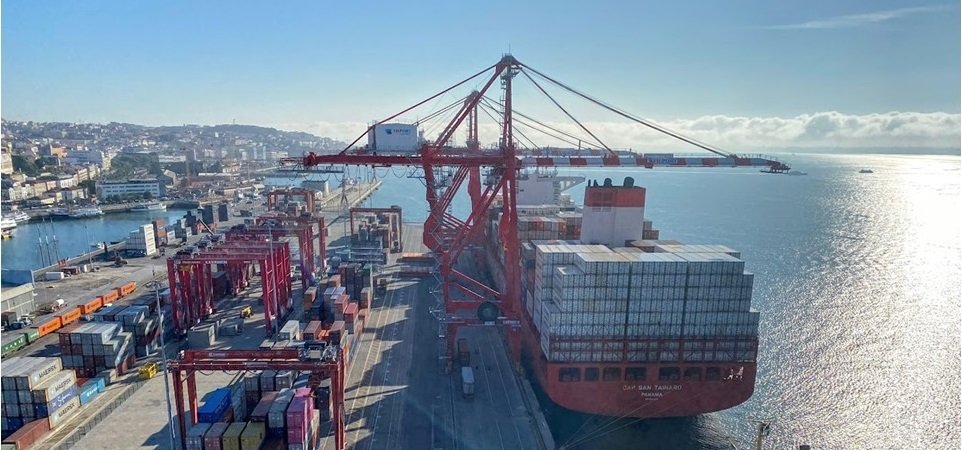
The RYA (Royal Yachting Association) is the preeminent international body governing international maritime rules and the appropriate and expected behavior of any boat master. Following its recommendations is not only an asset for us and others, but also an obligation.
Fundamental principles of the RYA / COLREGS
. Rule 5 (Look-out): Maintain a proper look-out by sight, hearing, and all available means at all times.
. Rule 6 (Safe Speed): Proceed at a safe speed that allows for proper action to be taken and to stop safely.
. Rule 8 (Action to Avoid Collision): Make any changes to course or speed well in advance, clearly, and with sufficient magnitude to be obvious to other vessels.
At sea, there are well-defined right-of-way rules depending on each vessel’s type of propulsion, reaction speed, and the area where it is circulating.
Within RYA parameters, the skipper constantly observes:
The movement of ferries and their fixed routes;
- The approach of cruise ships and large vessels;
- Safety distances between units in transit;
- The influence of current and wind on the vessel’s direction and maneuvers;
- The tide and constant depth;
- Rapid changes in weather conditions;
- The need for immediate course or speed adjustments.
The skipper is not just the one who steers the boat. In some cases, this role belongs to the pilot. He is the one who manages traffic and the elements around him through continuous reading, anticipation, and prudent decision-making. This technical capacity is what allows for confident navigation, without improvisation or surprises for the client.
Prevention-focused crew & compliant maintenance
Crew training is one of the most important elements of safety on board.
The quality of the onboard experience begins with the team’s competence. Our certified crew operates according to demanding standards of training and continuous updating.
- International certification in Maritime Safety (STCW).
- Training in First Aid and Basic Life Support, with periodic refreshers.
- Valid maritime-tourism licensing in compliance with national regulations.
- Regular training in emergency procedures, evacuation, and incident management.
- Internal hospitality protocols, focusing on clear communication, discretion, and close assistance.
This combination of technical rigor and customer focus ensures a safe, predictable, and professional operation.
The team is prepared to act preventively, communicate clearly, and keep the client completely removed from the technical and operational aspects of the vessel.
Including:
- Clear briefing with the crew before departure;
- Clear briefing with the passengers;
- Continuous monitoring of river conditions.
- Balanced management of boarding and disembarking.
- Control of capacity and weight distribution.
- Coordinated response to any operational change.
Onboard safety also depends on the condition of the vessel. That’s why preventive maintenance, regular inspections, and compliance with current legislation are an integral part of the operation. Communication, life-saving, navigation, and firefighting systems are checked to ensure full availability when the vessel goes into service.
This rigor is essential to ensure a stable, predictable, and safe experience. Customer confidence comes precisely from the combination of equipment, training, procedures, and operational responsibility.
At Lisbon Sight Sailing, safety is the baseline standard of our activity. Every visible and invisible detail exists to protect the client and ensure a peaceful journey on the Tagus River.
Our goal is simple: that you return to shore with a smile and your phone gallery full of great memories. We’ll take care of the rest.
Our pillar of operation is safety; our priority is your relaxation.
If you have any technical or specific questions about our safety protocols, our team is available to clarify them before you book.
