Skip to main content Skip to footer


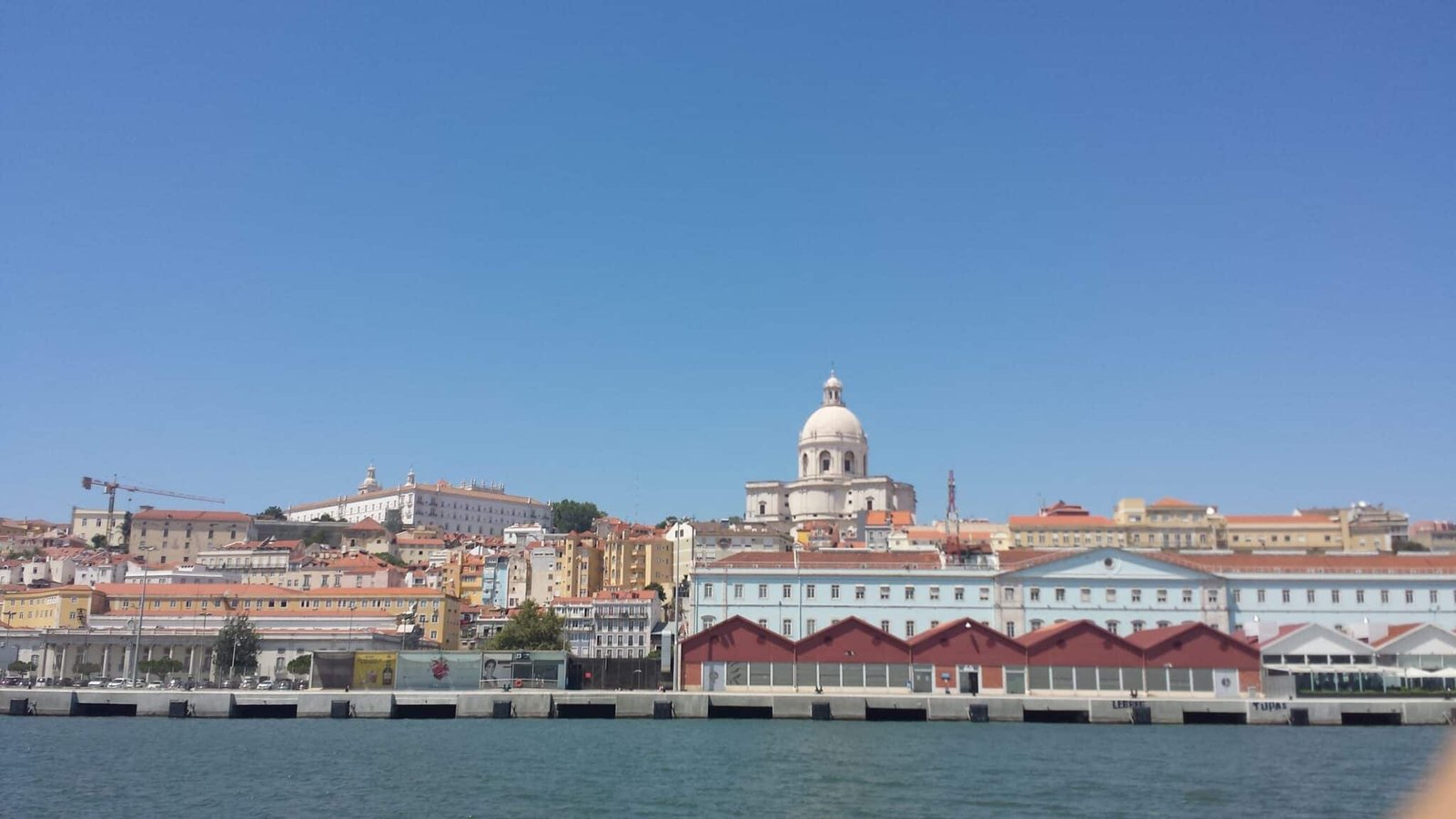
The National Pantheon, also known as the Church of Santa Engrácia, is one of Lisbon’s main tourist attractions, located in the Alfama district. It is undoubtedly an important architectural attraction in the city, with a rich history and a stunning panoramic view.
Its history dates back to the 16th century, when it was built as a church dedicated to Santa Engrácia. The Baroque project, begun in 1682 by architect João Antunes, presented challenges over the centuries, remaining unfinished until the 1960s, giving rise to the popular Portuguese expression “obras de Santa Engrácia” (works of Santa Engrácia), used to describe something that seems to never end. During this period, the building was even used as a military arsenal due to its strategic location.
The Pantheon was adapted by the Estado Novo regime to honor great Portuguese figures. The central dome, over 80 meters high, dominates the cityscape and offers visitors a 360-degree view of Lisbon, the Tagus River, Alfama, and the Monastery of São Vicente de Fora. Access to the terrace is via stairs, while the famous lioz stone used in the walls and pillars gives the building the same elegance as monuments such as the Jerónimos Monastery.
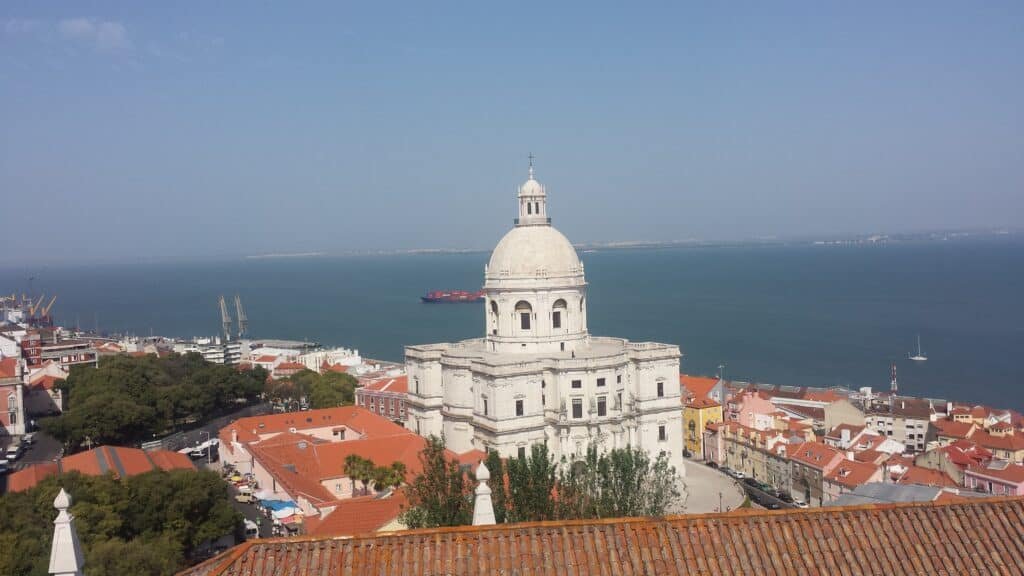
The imposing appearance and unique character of the work justify its classification as a National Monument and legitimize its choice to house the remains of exceptional Portuguese people. Thus, one of the main attractions of the National Pantheon is its crypt, where some of Portugal’s most important personalities are buried, including writers, artists, scientists, and politicians. It is certainly an excellent opportunity to discover the history and culture of Portugal.
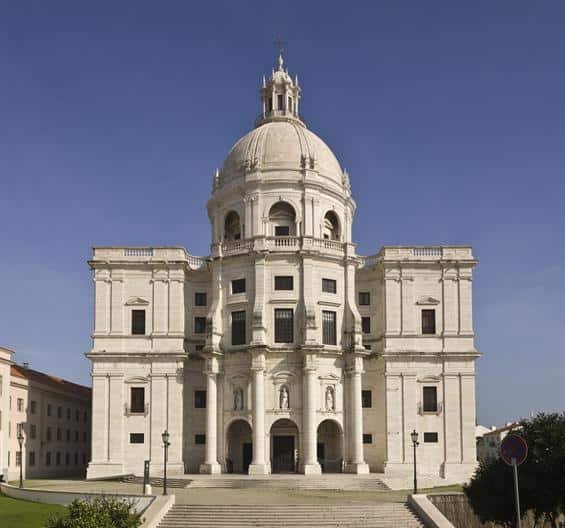
Features
The church’s main facade exemplarily combines the novelty of Italian Baroque with Portugal’s most notable and significant architectural practice. On the national coat of arms that crowns the richly decorated central portal, we find the church’s national character explicitly stated, present both in the founding of the first parish and later in the rebuilding of the temple by the Brotherhood.
The dynamism of the monument’s forms is integrated into a privileged setting on one of the city’s hills facing the river. The temple stands out in Lisbon’s skyline as a great bastion. Finally, its terrace offers visitors a stunning view of the capital and the Tagus.
Did you know…
- Architect João Antunes was one of the most prominent figures of Portuguese Baroque? He was the author of the original design for the Temple of Santa Engrácia and the Church of Bom Jesus de Barcelos.
- Although the building was completed in the 1960s, the church’s pipe organ—built in French Baroque style—was only installed decades later, contributing to concerts and cultural events.
- The Pantheon has been a religious space, but also a military one? During its long unfinished history, the building was even used as a military arsenal, given its abandonment and strategic location.
- You can climb to the top of the dome for one of the best panoramic views of Lisbon? Access to the terrace is via stairs and offers a 360-degree view over the city, the Tagus and the Alfama district.
- During construction, the famous lioz stone was used? This type of limestone, typical of the Lisbon region, is visible in the Pantheon’s walls and pillars, and was also used in monuments such as the Jerónimos Monastery.
Figures Buried in the National Pantheon
The National Pantheon pays tribute to great names in Portugal’s history. Among those buried here, the following stand out:
- Amália Rodrigues – Fado singer
- Humberto Delgado – General and opponent of the Salazar regime
- Teófilo Braga – Writer and President of the Republic
- Sophia de Mello Breyner Andresen – Poet
- Manuel de Arriaga – First elected President of the Republic
- João de Deus – Educator and author of the reading teaching method
In addition to those buried, there are cenotaphs of other figures such as Luís de Camões, Vasco da Gama and Pedro Álvares Cabral, whose true burial place is uncertain or located in other monuments.