Skip to main content Skip to footer


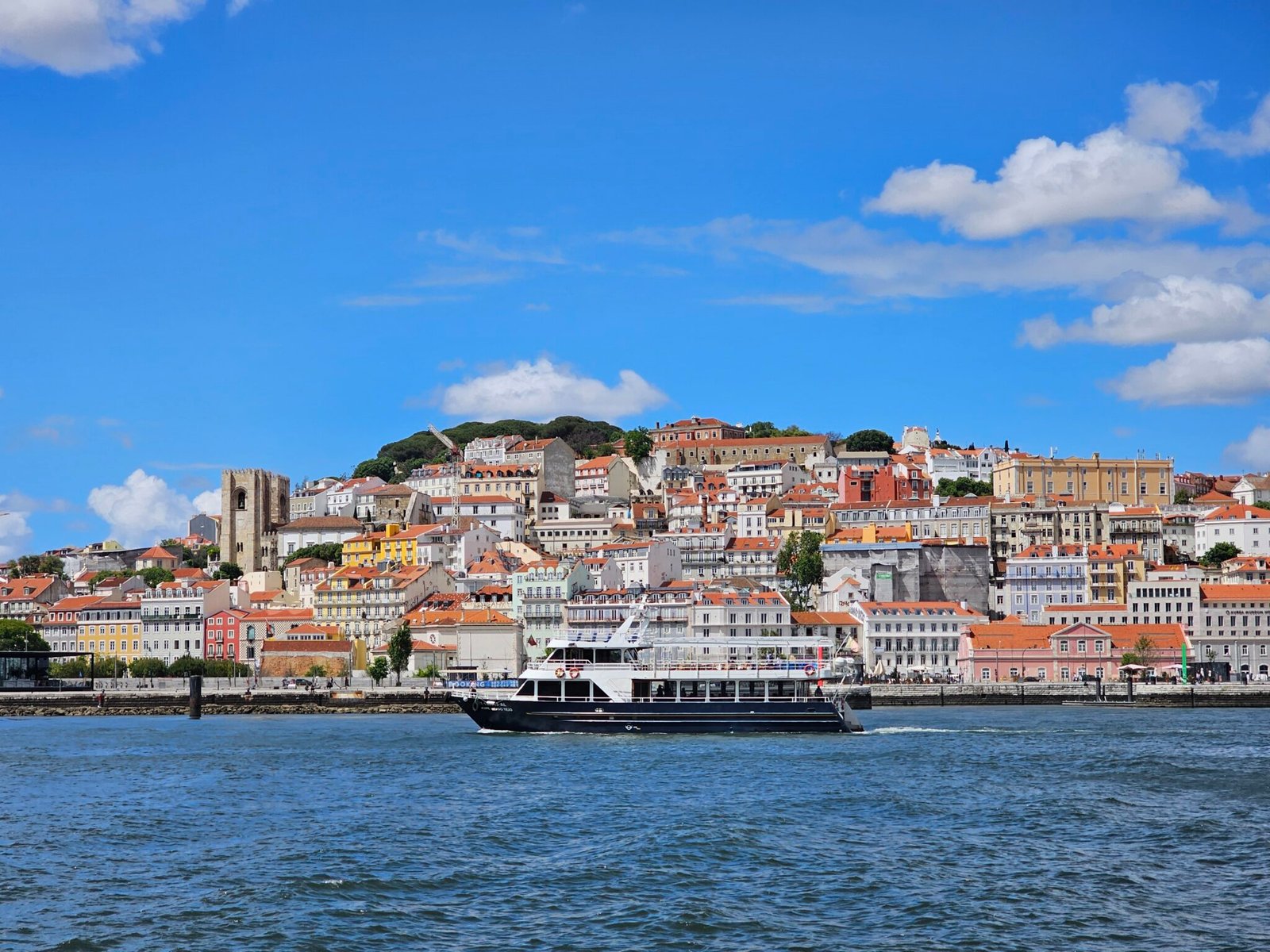
The Alfama neighborhood is frequented daily by Portuguese and foreign tourists, being considered the smallest in the entire city of Lisbon.
Alfama History
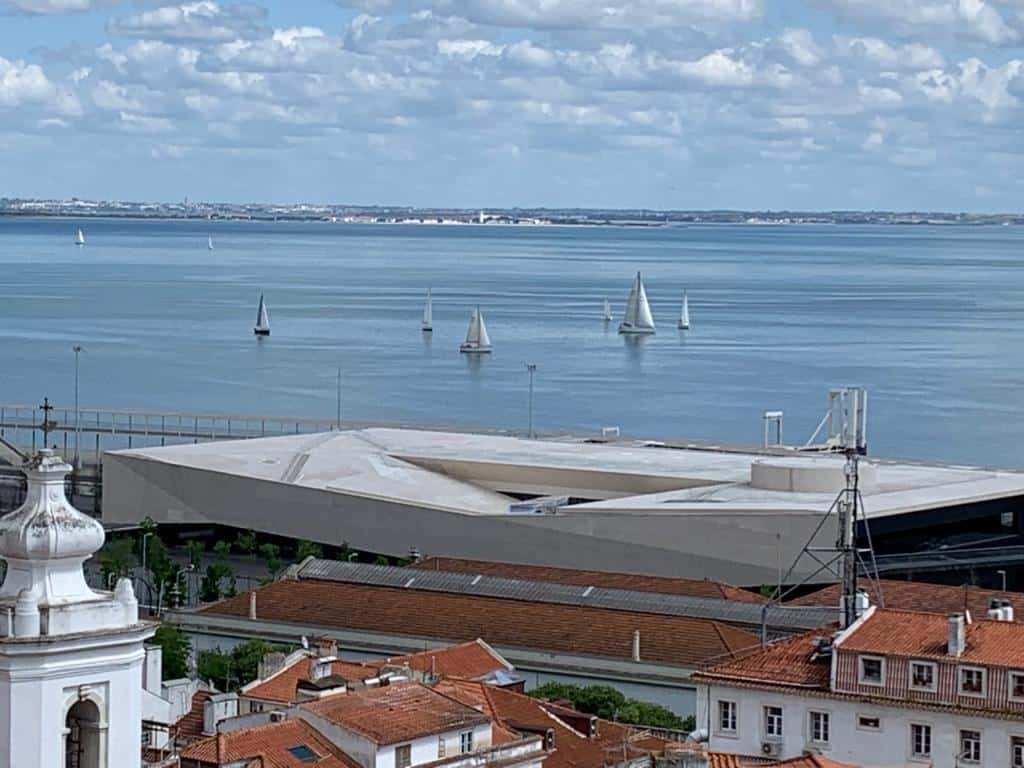
Alfama is the oldest neighborhood in Portugal and one of the oldest in Europe. It is located on the hillside next to São Jorge Castle and is bordered by the Tagus River.
The history of Alfama dates back to Muslim times, when the neighborhood was one of the first settlements in the city. Its name derives from the Arabic word “Al-hamma”, which means “the fountains”. Over the centuries, Alfama has survived several transformations, including the great earthquake of 1755, which devastated much of Lisbon.
For a long time, it was inhabited mainly by fishermen and their families, whose simple life and connection to the Tagus River shaped the spirit of the area. This popular character remains alive today, even with urban renovations and growing interest from tourists, who are enchanted by the authenticity and history of Alfama.
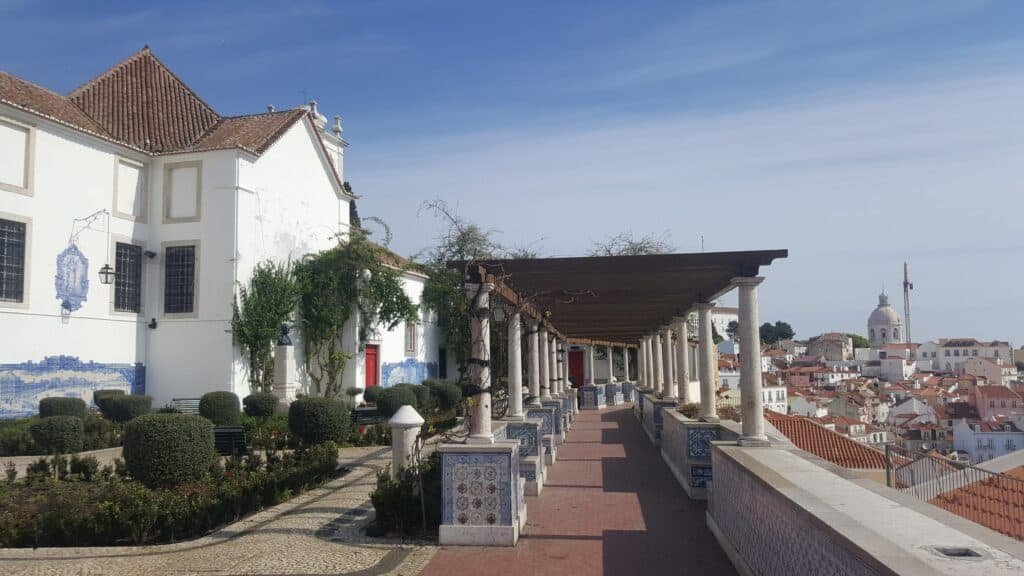
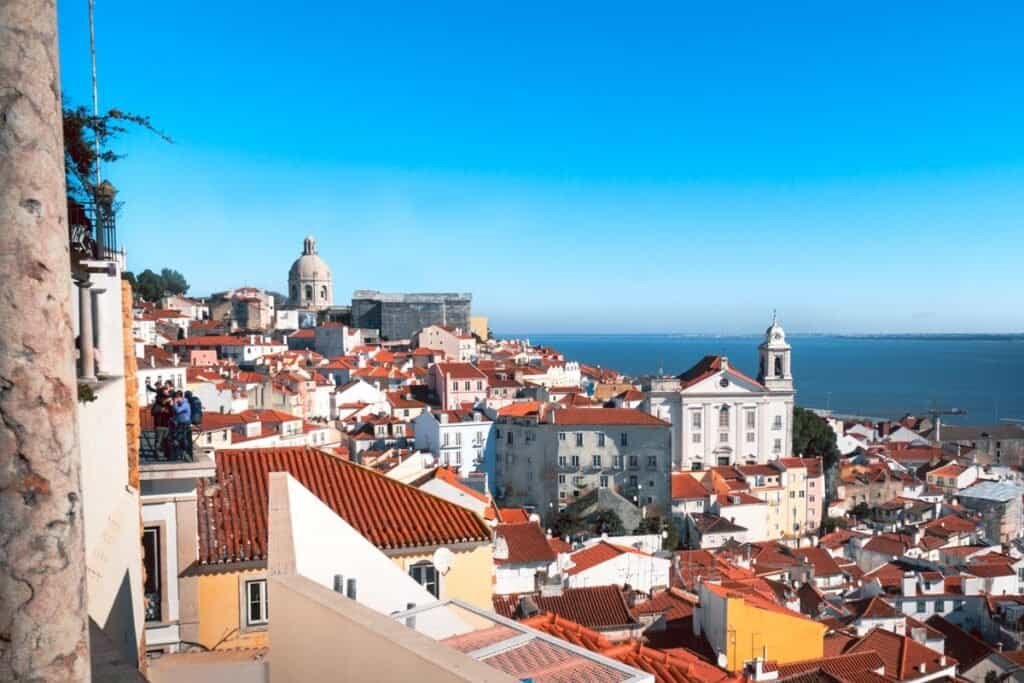
It is undeniably one of the most characteristic and picturesque neighborhoods in the city, with narrow cobbled streets, colorful houses, and breathtaking views of the Tagus River.
Exploring the Streets
It is one of the best areas for walking and exploring the city, with many staircases and alleys. In addition, one of the most spectacular views of Alfama is from the public promenade, formed by the Portas do Sol and Santa Luzia viewpoints.
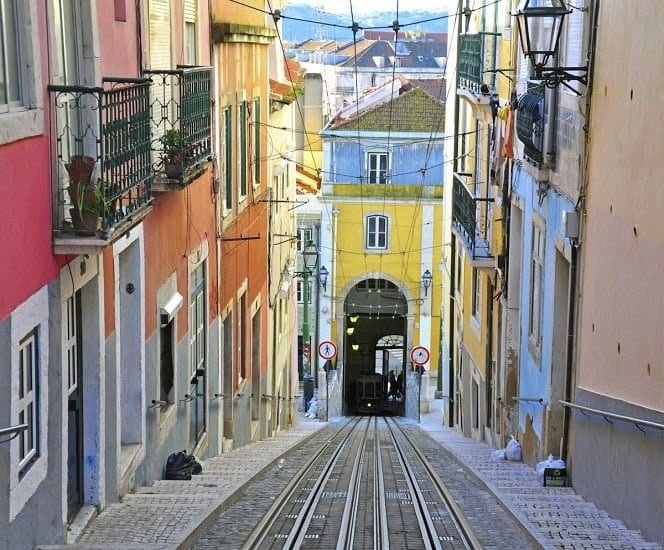
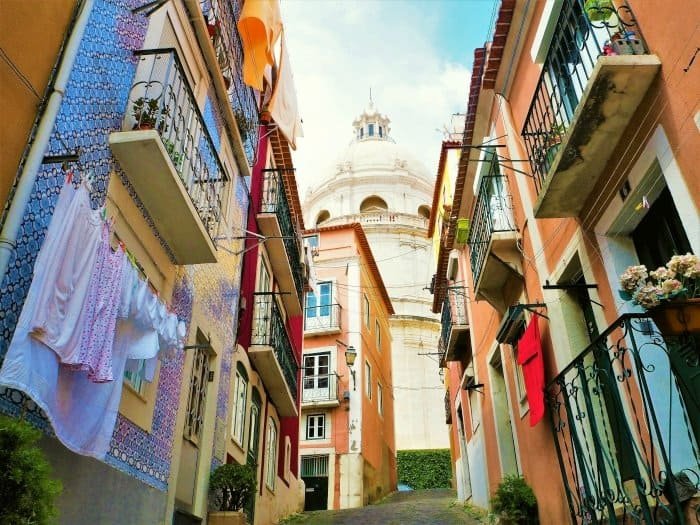
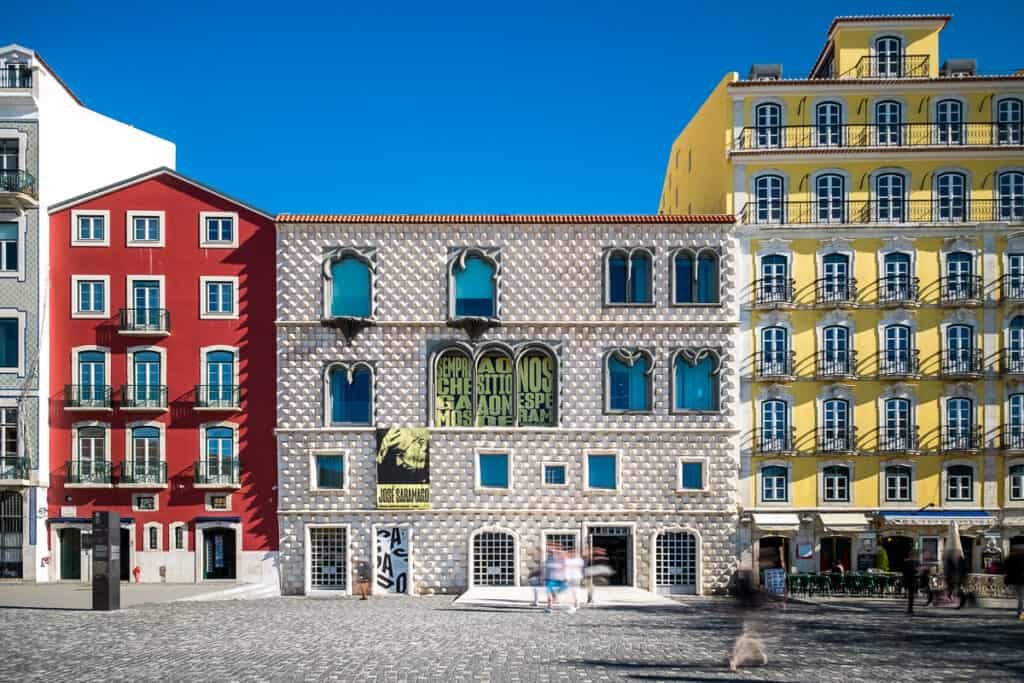
The neighborhood is known for its traditional architecture, with colorful houses and decorative tiles, some of them over 200 years old. One of the highlights is the Casa dos Bicos, built in the 16th century and currently home to the José Saramago Foundation.
Churches and Monuments
Another important attraction in the neighborhood is the Church of S. Miguel, a Baroque church built in the 17th century. The church is known for its architecture and its panoramic views over the neighborhood and the Tagus River. And of course the Lisbon Cathedral, also located in Alfama, is one of the highlights of this neighborhood.
Alfama inspires artists, poets, and filmmakers
The charm of Alfama has been portrayed in countless Portuguese and international films, books, and songs. The neighborhood is a frequent setting in productions that seek to capture the soul of Lisbon.
Alfama is also famous for its musical culture, especially Fado, a traditional form of Portuguese music. As a result, there are several bars and restaurants in the neighborhood that offer live Fado performances, where visitors can enjoy a night of music and gastronomy.
The Fado Museum is also a must-stop, offering an in-depth look at this important art form that is Intangible Cultural Heritage of Humanity.
Did you know?
Ways to get to Alfama
Tram 28 runs through Alfama’s narrow streets, offering visitors a unique experience, both in terms of transport and the urban landscape. It’s a real journey back in time through Lisbon’s hills.
The Popular Saints festivities have one of their most traditional stages here
During the month of June, Alfama transforms with the Lisbon Festivities, in honor of Saint Anthony. The streets fill with street parties, music, traditional food, and popular celebrations that attract thousands of people.
Alfama Today: Between Tradition and Modernity
While it maintains its historical roots, Alfama also adapts to modern times. Today, you can find:
- Contemporary cafés and restaurants alongside traditional tascas;
- Art galleries and craft shops;
- Local accommodations with river views and premium gastronomic experiences.
Preserving the neighborhood has become a priority for local authorities, promoting a balance between sustainable tourism and residents’ quality of life.
How to get to Alfama
- On foot: From the city center, you can reach Alfama via pleasant walks, although there are some uphill stretches.
- By tram: Tram 28 is the classic option.
- By metro: Santa Apolónia Station (Blue Line) is just a few minutes’ walk away.
- By car: Access is possible, but parking can be difficult due to narrow streets and traffic restrictions in historic areas.
Useful tips
- Visit early to avoid crowds;
- Wear comfortable shoes, as the streets are steep and cobbled;
- Set aside an evening for dinner at a restaurant with a Fado show;
- Take the opportunity to also visit São Jorge Castle, just a few minutes’ walk away.
In short, Alfama is one of Lisbon’s most characteristic and picturesque neighborhoods, making it an incredible area to explore and enjoy.