Skip to main content
Skip to footer
Skip to main content
Skip to footer


This was part of a major program for the general reorganization of earth and sea forces.
It was a great plan and, for decades, there were no complaints from populations who in the past were victims of constant looting by corsairs and pirates. In fact, the imposing Belém Tower played a fundamental role in this strategy. Thus, the message that passed was clear: the entrance to Lisbon was protected and under control.
A symbol of Protection and Defense
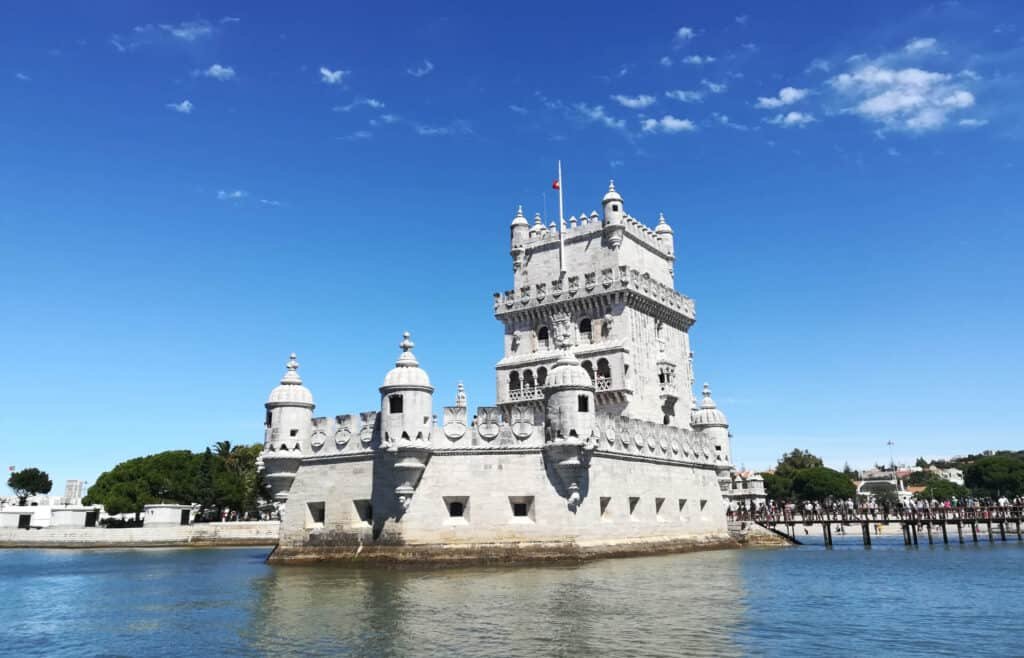
Built between 1514 and 1519, it was part of the defensive system of the Tagus estuary, together with the Cascais Fortress and the Old Tower on the south bank.
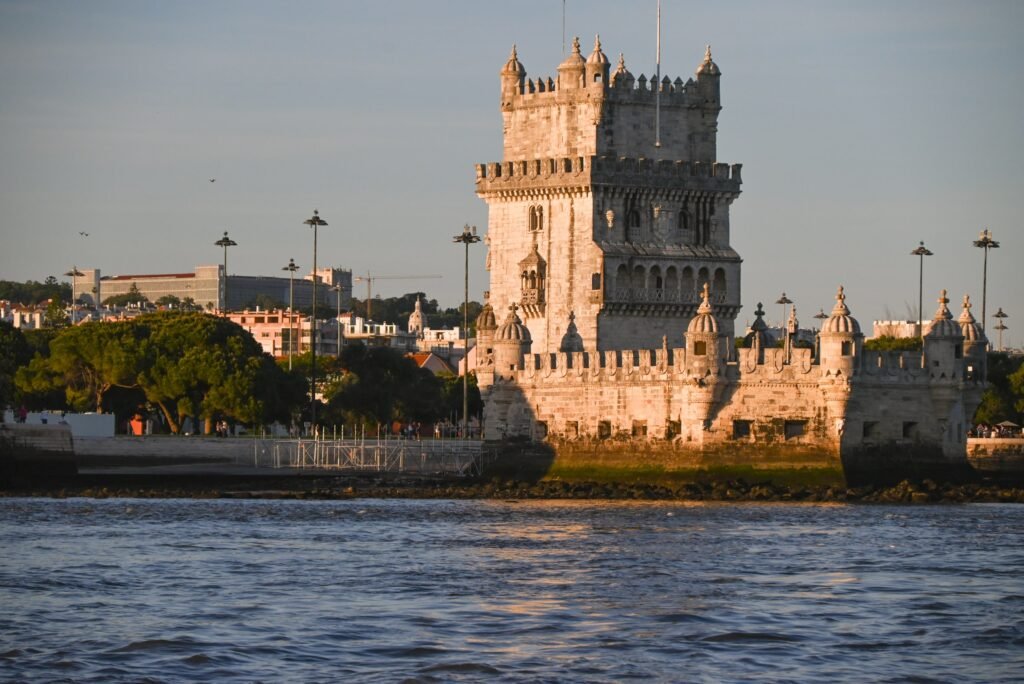
The Belém Tower is one of the most notable examples of the Manueline style, with European, Oriental and Islamic influences, and elements linked to navigation. Originally built in the middle of the river, today it stands on the riverbank. The Belém Tower features a sculpture of a rhinoceros, representing King Manuel I’s pet rhinoceros, and a spiral staircase with 93 steps leading to a panoramic view of Lisbon.
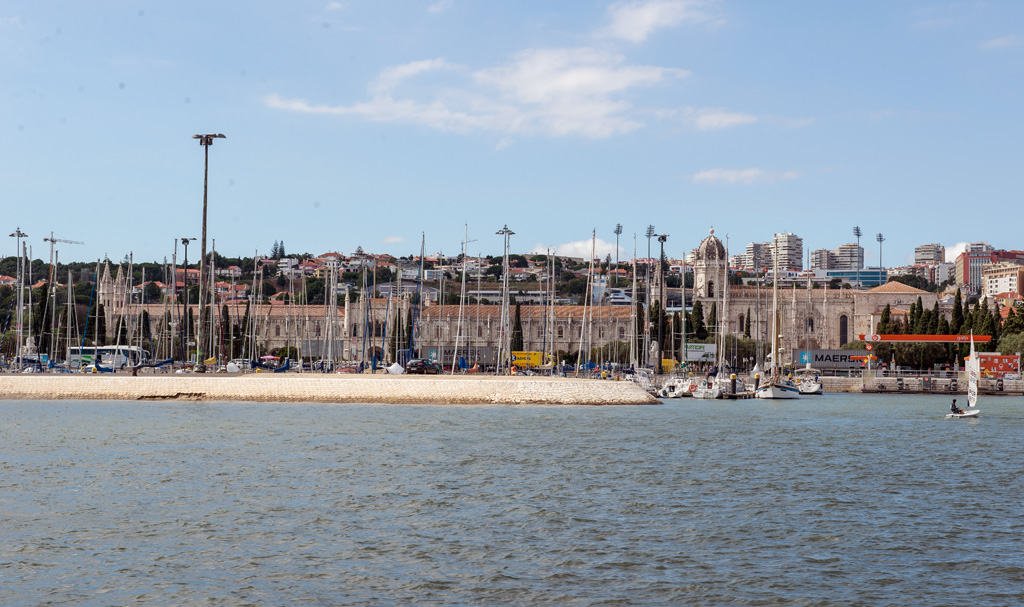
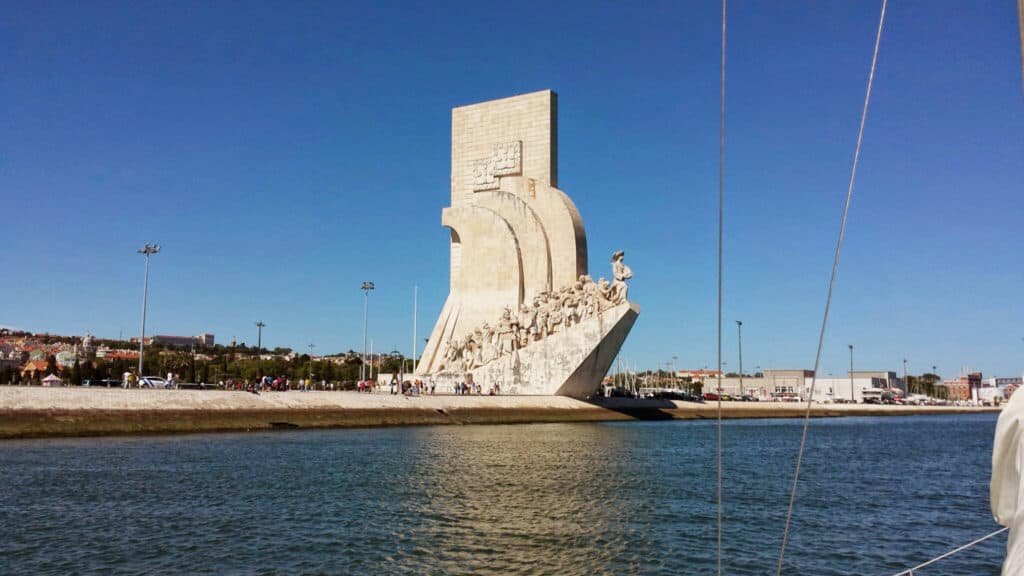
Together with the Jerónimos Monastery and the Discoveries Monument, this tower is one of a group of monuments emblematic of the Age of Discovery, located in the Belém area of Lisbon.
Equipped with sturdy bombs, the cross shot represented a formidable obstacle to all hostile vessels that tried to force entry into Lisbon. A ship of 1000 barrels was built, full of numerous pieces, complementing the defensive device with a mobile base of fire. And, because it was still considered insufficient, caravels equipped with powerful armaments were built. These were in position, ready to intervene in case of need.
With the evolution of the attack and defense measures, its structure gradually lost its original defensive role. Over the centuries it was used as a customs registration, telegraph signalling station, lighthouse and even as a dungeon for political prisoners.
The Belém Tower today
Initially surrounded by the waters around its perimeter, today, this structure is symbolically linked to land by a pedestrian bridge. This was the way found to preserve its original context. The monument attracts thousands of tourists every year, interested not only in its beauty, but also in the history it represents.

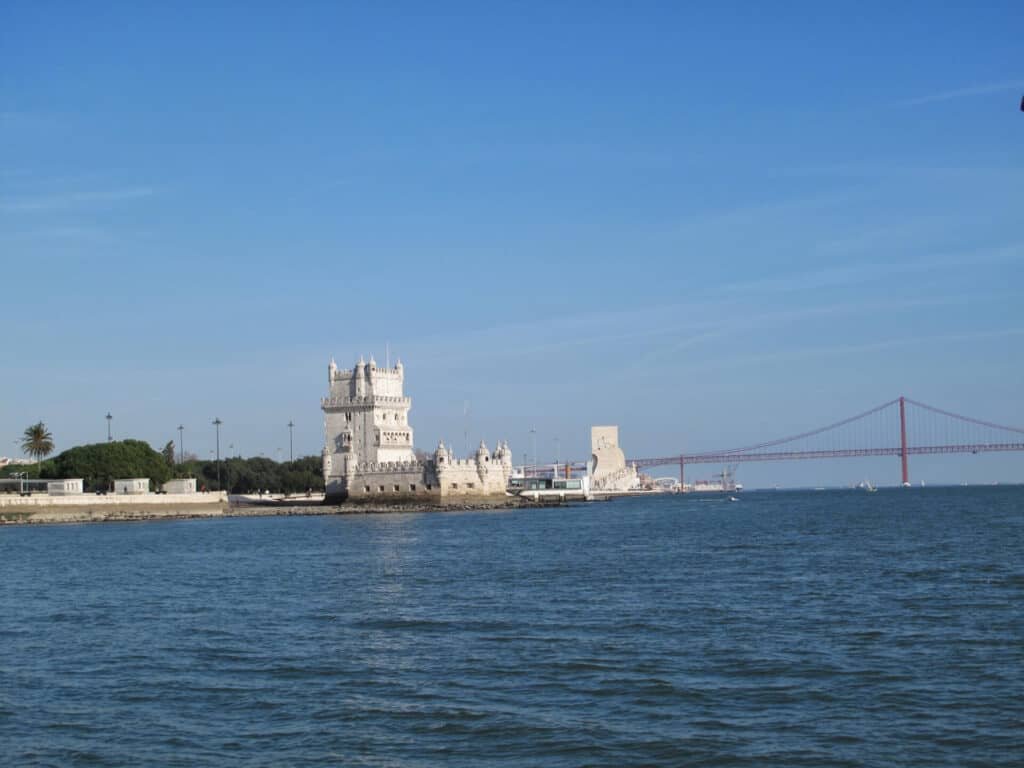
Classified as a World Heritage Site by UNESCO, since 1983, Belém Tower is undoubtedly one of the most expressive monuments of Lisbon, recognised both for its architectural and historical value and for representing Portugal’s maritime power during the Age of Discovery.
Useful information for your visit
The Tower is open from 10 a.m. to 6.30 p.m. in spring and summer, with reduced hours in winter. It is closed on Mondays and some public holidays. Combined tickets with the Jerónimos Monastery and the National Archaeology Museum are available. For photos, the best times are early morning or sunset.


Please note: Access is limited for people with reduced mobility due to narrow stairs.
The Belém Area
Visiting the Belém Tower is only part of the experience. The surrounding area offers other points of tourist and cultural interest:
- Jerónimos Monastery: One of the finest examples of Manueline architecture, built to celebrate Vasco da Gama’s return from India.
- Discoveries Monument: An iconic monument dedicated to Portuguese navigators.
- Belém pastries: The famous pastry shop where you can taste the original custard tarts, made from an exclusive secret recipe.
- Coach Museum: One of the largest collections of royal coaches in the world.
- Belém Gardens: Ideal green spaces for family outings or picnics.
To get the most out of your visit, we recommend going during the week, avoiding the crowds that tend to flock to the monument at weekends and on public holidays.